
How Long Does CPR Certification Last? Know Your Timeline
Apr 16
13 min read

Key Highlights
Most CPR certification cards, including those from the American Heart Association and the Red Cross, expire after 2 years. The primary reason for the expiration is to ensure your skills remain fresh and up-to-date with the latest CPR guidelines. The length of CPR training typically does not affect how long your certification lasts; regardless of whether you took an in-person course or an accelerated training, the certification card's expiration date is usually the same.
The primary reason for the expiration is to ensure your skills remain fresh and up-to-date with the latest CPR guidelines.
CPR renewal is crucial as skill retention declines significantly within a few months of initial CPR training. You can renew your certification through in-person, online, or blended learning courses before the expiration date. There is generally no official grace period after the expiration date; once your CPR certification expires, you must retake the full course to renew your credentials.
You can renew your certification through in-person, online, or blended learning courses before the expiration date.
Letting your CPR certification expire may require you to take the full initial course again rather than an abbreviated renewal class.
Introduction
Have you ever wondered about the lifespan of your CPR certification? Knowing how long your credentials are valid is just as important as learning the skills themselves. Cardiopulmonary resuscitation (CPR) is a critical life support technique that can double or even triple a person's chance of survival after cardiac arrest. This guide will walk you through everything you need to know about your CPR certification's validity, why it expires, and how to stay current, ensuring you're always ready to help in an emergency.
What is CPR Certification?
A CPR certification is a credential you earn after completing a recognized CPR training course. This course teaches you how to perform essential life support techniques, including chest compressions and rescue breaths, on adults, children, and infants. The goal is to equip you with the knowledge and confidence to respond effectively during a cardiac or breathing emergency until medical professionals arrive.
During a CPR course, you'll learn specific CPR techniques and often receive AED training to use an automated external defibrillator. A certification demonstrates that you have been trained and tested on your CPR skills, confirming your ability to provide vital first aid. It is more than just a piece of paper; it's proof of your readiness to save a life.
Who Should Get Certified?
While many people think CPR certification is only for healthcare professionals and first responders, it is a valuable skill for everyone. Sudden cardiac arrest can happen to anyone, anywhere, at any time. Being certified means you are prepared to act, whether the emergency involves a family member, a coworker, or a stranger in public.
For many professions, CPR certification is a mandatory part of their employment requirements. This includes not only doctors and nurses but also teachers, childcare providers, lifeguards, and security personnel. Employers in these fields need to ensure their staff can handle medical emergencies safely and effectively.
Ultimately, the general public is strongly encouraged to get certified. The more people in a community who know CPR, the safer that community becomes. Having this skill empowers you to be a vital link in the chain of survival, potentially making the difference between life and death.
Recommended For
Beyond the general recommendation, CPR certification is highly advised for individuals in specific roles and situations. If your job involves caring for others or working in high-risk environments, having this training is often a necessity.
Healthcare providers, for instance, are typically required to maintain a Basic Life Support (BLS) certification, which is a more advanced form of CPR training. This ensures they have the skills needed for patient care. Similarly, anyone seeking AED certification should consider a full CPR course, as the two skills are a powerful combination in responding to cardiac emergencies.
Many job requirements explicitly list CPR certification as a condition of employment. This is common for:
Teachers and school staff
Coaches and personal trainers
Parents and babysitters
How Long Does CPR Certification Last? Quick Summary
Generally, a CPR certification is valid for two years from the date you complete your course. This two-year validity period is the standard set by major training organizations, including the American Red Cross and the American Heart Association. Once this period ends, your CPR certificate reaches its expiration date, and you will need to complete a CPR renewal course to maintain your credentials.
It's important to keep track of this timeline. A certification renewal is not just a formality; it ensures your knowledge is current and your skills are sharp. Failing to renew before the expiration date could mean you are no longer considered certified, which could affect your job or your ability to respond confidently in an emergency. Staying on top of your CPR renewal is a key responsibility for anyone who is certified.
Standard CPR Certification Validity Period in the United States
In the United States, the standard validity period for CPR certification is consistent across the leading training bodies. Organizations like the American Heart Association and the Red Cross both issue certifications that last for two years. This uniformity helps standardize expectations for employers and individuals nationwide.
Whether you have a basic CPR/AED certification or a more advanced BLS certification for healthcare providers, the two-year rule generally applies. Upon successful completion of your training, you will receive a physical or digital certificate that clearly states the issue date and the expiration date, making it easy to track your status.
Here is a quick breakdown of typical validity periods:
Certification Type | Issuing Organization | Standard Validity Period |
CPR/AED | American Red Cross, American Heart Association | 2 Years |
BLS Certification | American Red Cross, American Heart Association | 2 Years |
First Aid | American Red Cross, American Heart Association | 2 Years |
Why CPR Certification Expires Over Time
You might wonder why a life-saving skill needs a renewal date. The expiration of CPR certification serves two critical purposes: ensuring skill retention and keeping you updated on the latest science. CPR guidelines can and do change as new research emerges on the most effective ways to perform chest compressions and rescue breaths.
Studies have shown that CPR skill retention, including muscle memory, declines significantly within just a few months after initial training. In one year, less than half of the trained individuals can pass a skills test. A required certification renewal ensures you take a refresher course to sharpen your skill set and rebuild your confidence.
This regular renewal process guarantees that certified individuals are always aligned with the most current, evidence-based practices. It prevents outdated techniques from being used and confirms that you are prepared to provide the best possible care during an emergency.
Factors Influencing CPR Certification Expiration
While the two-year rule is a strong general guideline, a few factors can influence the expiration date of your CPR certification. The specific organization that issued your certification card, the type of course you took, and even your state or employer's rules can play a role.
It's always a good idea to confirm the details specific to your situation. Understanding these variables will help you know exactly when to renew your CPR and first aid certification, ensuring you remain compliant and ready to act.
Certification Authority: American Heart Association, Red Cross, and Others
The organization that provides your CPR certification is the primary authority on its validity period. The two most recognized providers in the United States, the American Heart Association (AHA) and the American Red Cross, both set a two-year expiration on their standard CPR certificates.
This consistency means that whether you complete an AHA or Red Cross CPR course, you can expect your certification to last for 24 months. Both organizations offer a variety of training courses, from basic CPR to advanced life support, and this two-year standard applies to most of them.
While other training organizations exist, it's important to choose one that is nationally recognized and accepted by employers. Reputable providers will always clearly state the validity period of their certifications. Key organizations include:
American Heart Association (AHA)
American Red Cross
National Safety Council (NSC)
Type of CPR Certification: BLS, ACLS, Pediatric, and More
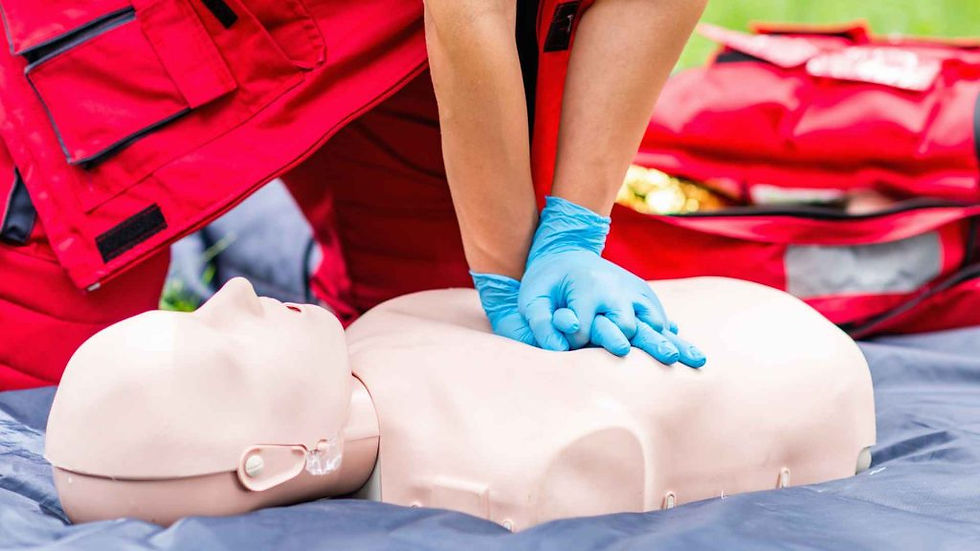
The type of certification you hold also helps determine its validity. While most standard CPR and first aid training certifications last for two years, some specialized courses may have different timelines, though this is rare.
For instance, a BLS certification, which is designed for healthcare professionals and involves more in-depth BLS training, also follows the two-year renewal cycle. The same applies to more specialized training classes like pediatric CPR or Advanced Cardiovascular Life Support (ACLS), which also typically require renewal every two years.
The length or difficulty of the course does not usually change the two-year validity period. The focus remains on ensuring skills are refreshed regularly, regardless of whether the training is for basic CPR or advanced medical interventions. Always check the specifics of your course to be certain.
CPR Certification Expiration for Different Groups
The requirements for maintaining a valid CPR certification can sometimes differ based on your profession or role in the community. Healthcare professionals, for example, often face stricter enforcement of renewal deadlines compared to the general public.
Understanding these distinctions is key to ensuring you meet any professional or legal obligations. Whether you're a nurse, a teacher, or a concerned parent, knowing the expectations for your group will help you stay on track with your CPR certification renewal and first aid training.
Healthcare Professionals vs. General Public
For healthcare professionals, maintaining a current CPR certification is non-negotiable. Most healthcare providers are required to hold a Basic Life Support (BLS) certification, which must be renewed every two years without fail. Lapsing is often not an option and can affect their ability to practice.
The general public, while strongly encouraged to stay certified, does not face the same professional consequences if their certification expires. The motivation for renewal is more about personal preparedness and the desire to be able to help in an emergency. The validity period remains two years for both groups.
The main differences lie in the type of training and the strictness of renewal requirements.
Healthcare Professionals: Usually require BLS certification and must renew promptly to meet licensing and employment standards.
General Public: Typically takes a standard CPR and AED training course, with renewal being a personal choice for continued readiness.
Enforcement: Strict for professionals, voluntary for the public.
Teacher, Parent, and Workplace Requirements
Many jobs outside of healthcare also mandate CPR certification. Teachers, childcare workers, and coaches are often required by their employers or state regulations to maintain a valid first aid and CPR certification. These workplace certification needs are in place to ensure a safe environment for children and clients.
Parents and other caregivers may not have a formal requirement, but the peace of mind that comes with being prepared for an emergency is invaluable. Taking a CPR class can equip you with the skills to protect your loved ones.
Workplace requirements often specify the type of training needed. For instance, some may mandate in-person training courses with a hands-on skills test to ensure competency.
Common job requirements include:
Regular renewal every two years.
Completion of a course from a recognized provider.
Proof of certification for personnel files.
CPR Renewal Process Explained
The CPR renewal process is designed to be more convenient than the initial certification course. Renewal courses, often called a refresher course or review class, are typically shorter because they focus on reviewing skills you've already learned rather than teaching them from scratch. The goal of certification renewal is to refresh your memory, update you on any new guidelines, and verify your skills.
To begin your CPR certification renewal, you'll need to find and register for accredited renewal classes before your current certification expires. These can be found through major providers like the American Red Cross or the American Heart Association. Acting proactively ensures a seamless transition and keeps you continuously certified, ready to respond when moments matter.
How Often Do You Need to Renew CPR Certification
You should plan to renew your CPR certification every two years. The best practice is to sign up for renewal courses a month or two before your certification's expiration date. This proactive approach prevents any gaps in your certification status and ensures you remain qualified without interruption.
Waiting until the last minute or letting your certification lapse can create complications. The two-year validity period is the industry standard for a reason—it is the optimal timeframe for ensuring your skills don't fade. Regular CPR renewal keeps your knowledge fresh and your response automatic.
For a seamless certification renewal, mark your calendar or set a digital reminder when you first get certified. This simple step will help you stay on track and avoid the stress of a last-minute scramble to find a class. Staying current is a commitment to being prepared.
Checking Your CPR Certification Expiration Date
The easiest way to check your CPR certification's expiration date is to look at your certification card. Whether it's a physical card or a digital certificate, the expiry date should be clearly printed on it, usually alongside the date of issue. This is your official record of validity.
If you've misplaced your card, don't worry. Most training organizations offer an online portal where you can look up your CPR certificate. For example, the American Red Cross allows you to find your certificate on their website by entering your name, email, or certificate ID. This digital access makes it simple to confirm your status anytime.
Keeping your certification information accessible is important. Once you confirm the expiration date, you can schedule your renewal course and skills test accordingly. This ensures your life-saving CPR skills are always recognized as current and valid.
What Happens If Your CPR Certification Expires?
If your CPR certification passes its expiration date, you are no longer considered officially certified. This can have significant consequences, especially if certification is a requirement for your job. You could be found non-compliant with workplace policies, which might affect your employment status.
From a practical standpoint, letting your certification lapse means you may not be eligible for a shorter refresher course. Many organizations require you to take the full, initial CPR and first aid training course again if you miss the renewal window. This means more time and potentially a higher cost.
In an emergency, an expired certification doesn't mean you shouldn't help. It's always better to act than to do nothing. However, being currently certified ensures you have the most up-to-date knowledge and confidence. Key consequences of an expired CPR certification include:
Loss of official certified status.
Potential ineligibility for abbreviated CPR recertification courses.
Non-compliance with job requirements.
Renewal Methods: Online vs. In-Person CPR Recertification

When it's time for your CPR recertification, you have several options to choose from. You can opt for traditional classroom settings for an in-person experience, choose fully online courses for convenience, or select a blended learning option that combines both. Online renewal has become increasingly popular, allowing you to complete the coursework at your own pace before attending a short, in-person skills session.
Each method has its own set of benefits. The best choice for you will depend on your learning style, schedule, and any specific requirements from your employer. Many employers, for example, require a hands-on skills component, making blended or fully in-person renewal classes the only valid options for workplace certification.
Advantages and Limitations of Online CPR Renewal
Online CPR renewal offers incredible flexibility. The primary advantage is the ability to complete the theoretical part of the course on your own schedule, from anywhere with an internet connection. This online learning format is ideal for busy professionals or parents who need to fit training into a packed day.
However, there are limitations. Most employers and state licensing boards do not accept certifications from fully online courses that lack a hands-on skills test. CPR is a physical skill, and demonstrating your technique in person is crucial for valid CPR recertification. A digital certificate from an online-only course may not be recognized.
When considering online renewal, keep these points in mind:
Advantage: Learn at your own pace and on your own schedule.
Limitation: A hands-on skills session is usually required for official certification.
Best Option: Blended learning, which combines online coursework with an in-person skills session.
When to Choose In-Person CPR Recertification
Choosing an in-person CPR recertification class is the best option for learners who thrive in a structured, hands-on environment. These training courses are led by knowledgeable instructors who can provide immediate feedback on your technique, answer questions, and create a dynamic learning atmosphere.
This format is particularly beneficial if your employer requires a fully in-person class or if you feel more confident learning and practicing skills directly with an expert. In-person renewal classes often integrate CPR and AED training seamlessly, allowing you to practice with manikins and other equipment under professional supervision.
Consider an in-person class if:
You learn best through direct interaction and hands-on practice.
Your employer mandates a traditional classroom setting for certification.
You want the opportunity to ask questions and get real-time feedback from an instructor.
State and Employer-Specific CPR Recertification Requirements
While national standards from organizations like the AHA and Red Cross set the foundation for CPR guidelines, your state or employer might have additional rules. State requirements often apply to specific professions, such as teachers or childcare providers, to ensure public safety. It is your responsibility to be aware of any local mandates that affect your certification renewal.
Similarly, employer policies can be stricter than general guidelines. Some workplaces may require annual refresher courses or specify which training providers are acceptable. Always check your company's handbook or speak with your HR department to ensure your training meets all workplace requirements and you maintain a valid CPR certification.
Common State Mandates for CPR Certification
Many states have specific laws that mandate CPR certification for certain jobs. These state requirements are most common in fields that involve caring for vulnerable populations, such as education, healthcare, and childcare. The goal is to ensure a baseline level of emergency preparedness among professionals.
These mandates often specify the type of training required, such as including a hands-on skills test, and may dictate the frequency of renewal courses. For example, a state might require all public school teachers to maintain a valid CPR and first aid certification as a condition of their employment requirements.
Here are some examples of professions often covered by state mandates:
Profession | Common State Requirement | Renewal Frequency |
Public School Teachers | CPR and First Aid Certification Required | Every 2 Years |
Daycare/Childcare Workers | Pediatric CPR and First Aid Required | Every 2 Years |
Dental Hygienists | BLS/CPR Certification Required | Every 2 Years |
Electricians | CPR Certification may be required by state licensing boards | Every 2 Years |
Employer Policies and Custom Certification Timelines
Beyond state laws, individual employer policies can also dictate your CPR certification renewal schedule. Some companies, particularly those in high-risk industries, may have workplace requirements that are more stringent than the standard two-year cycle.
For example, an employer might mandate an annual refresher course to keep skills exceptionally sharp. These policies are designed to maximize workplace safety and ensure employees are always prepared to respond to an emergency. They may also specify which training courses are approved.
It is crucial to be aware of your company's specific rules. Check for policies regarding:
Renewal Frequency: Some employers may require annual renewal instead of every two years.
Approved Providers: Your employer might only accept certifications from certain organizations.
Course Format: Some may not accept blended or online learning and require fully in-person renewal courses.
Conclusion
In conclusion, understanding how long CPR certification lasts is crucial for anyone involved in healthcare, education, or caregiving. Most certifications are valid for two years, but this can vary based on the issuing organization and specific course type. Staying current with your certification not only ensures compliance with regulations but also enhances your skills and prepares you for emergencies. Regularly checking your certification's expiration date and following the appropriate renewal process will keep you ready to respond effectively in critical situations. To ensure you're always prepared, consider enrolling in our CPR renewal courses today!
Frequently Asked Questions
Is there a grace period if my CPR certification expires?
Most organizations do not offer a formal grace period. Once your CPR certification passes its expiration date, you are no longer certified. To continue your certification renewal, you may have to retake the full course instead of a shorter CPR renewal class, so it's best to renew before the validity period ends.
How do I check when my CPR card expires?
You can find the expiry date printed directly on your physical or digital certification card. If you cannot find your card, log into the issuing organization's website (like the American Red Cross) to look up your CPR certification details and confirm the expiration date.
Does the length or type of course affect how long my CPR certification lasts?
Generally, no. Whether you take a basic CPR/AED training course or a more advanced BLS training program, the certification validity is typically two years. The type of course affects the skills you learn, but not the standard expiration timeline for the CPR certification itself.


Comments