
Understanding Adult vs Child CPR: Key Differences
Dec 22, 2025
14 min read
Updated: Jan 17

Preface
In an emergency, what you do can help save a life. Cardiopulmonary resuscitation, or CPR, is a crucial first aid skill. It's important to know that there isn't just one way to do it. The ways are different for grown-ups, children, and babies.
This is because their bodies aren't the same. Learning the changes in how you give CPR is a big part of cpr training, and can help you give stylish help when every second matters.
Crucial Differences Between Adult, Child CPR ways
Knowing how to do CPR can help save a life. It's important to know that the cpr ways you use will depend on the age group of the person who needs help. There are crucial differences between adult CPR and pediatric cpr for children and babies.
This is because each age group has its own requirements, so you must use different styles for adult cpr and pediatric cpr.
Every part of CPR, from where to put your hands for condensing to how hard you push, is changed so it can be safe and work well. Knowing about these changes is important if you want to step in with confidence during an emergency. We'll look at the special rules, the effects to consider for the body, and why it matters to use a system that fits each age group.
Overview of CPR Protocols for Each Age Group
The way you do CPR changes depending on the age group of the person you're helping. For adult CPR, utmost cardiac arrest cases are because of heart problems. So, you should call 911 right away before you begin casket condensing. A defibrillator and help from medical staff are also vitally important for grown-ups in this situation.
When it comes to child CPR and child CPR, breathing problems, like choking or drowning, are generally the cause of cardiac arrest.However, you should do five cycles of CPR, If you're by yourself and did n't see a child fall or collapse. This takes about two twinkles. After that, stop and call 911 for emergency help. Occasionally, doing casket condensing and breaths right down can fix the problem by giving the child oxygen.
Before you start CPR on anyone, check if the person responds. However, call 911 or tell someone to call, and make sure the area is safe for you and the victim. If not. With grown-ups, you should roar and tap, see if there's any response, and also check for normal breathing and a palpitation. Only should also you begin CPR. When you do child CPR or child CPR, check if they respond and if they're breathing.However, call for emergency help and follow the CPR way for that age group to handle cardiac arrest, If they don't breathe or respond.
These crucial differences in what to do first — like calling for help or starting CPR right down — are meant to match what's most likely passing for each age group. This way, there's a better chance that the outgrowth will be good.
Anatomical and Physiological Considerations in CPR
The main reason CPR ways aren't the same for grown-ups, children, and babies is because of the physiological differences in their bodies. Grown-ups have a high bone viscosity. Their casket depression is also bigger and further established. This means you use your body weight and push hard at the center of the casket when doing CPR on a grown-up to help get blood moving.
Children have lower bones. These bones are also more flexible, and their bodies are more delicate. Their caricature coops are softer, so their vital organs can get hurt more easily if you use too important force. Because of this, you must be gentle when dealing on a child.
babies are veritably fragile, and they've small airways and a bitsy casket. When you do CPR for babies, you use just two fritters for compressing. The deliverance breaths should be soft airs. This way, you do n't hurt their lungs. These effects are important so CPR will help and not do harm.
Significance of Age- Based Approach in Emergency Response
Using the right approach for each age group during an emergency is vitally important. It is n't just a tip; it can be what makes the difference. However, you could hurt them, If you try adult CPR on a baby . However, it'll not help them at all if you use child CPR ways on a grown-up. You need to know the correct CPR ways for grown-ups, kids, and babies. This will increase the chances of survival in an emergency.
Proper first aid training and CPR instruments help you know what to do and feel sure about it. When you look at the person's age and use the right way, you help blood and oxygen keep moving to the brain and other vital organs. This makes a big difference until help gets there.
In the end, knowing these differences is a crucial part of being ready. When every move matters, changing how you act for the person's age can be what saves a life.
Understanding casket condensing for babies, Children, and Grown-ups
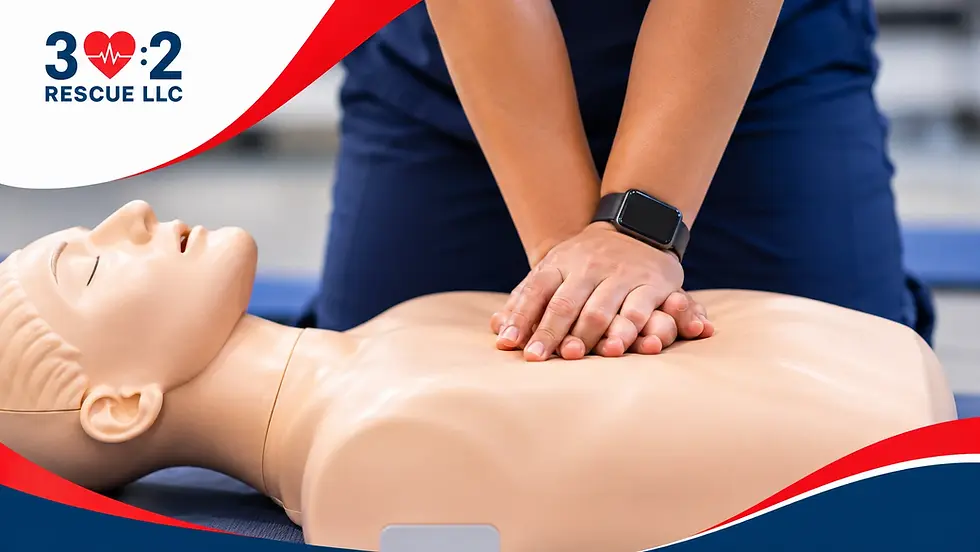
Casket condensing is the main part of CPR. They help move blood through the body when the heart stops working. The way you do a casket contraction can change a lot depending on the person's age group. Hand placement, contraction depth, and how hard you push aren't the same for everyone. You need to use the right system so it works well and doesn't hurt the person.
Good CPR training shows you how to change your way for each age group. You learn to press in the center of the casket with the right quantum of force. Now, let's look at how deep you should push, how presto you should go, and why letting the casket rise back over each time is so important.
Compression Depths for Each Age Group
The right contraction depth is vitally important when you give CPR. You need to press deep enough to help the heart move blood through the body. At the same time, you shouldn't go too deep or you could hurt the person. Because of this, the recommended contraction depth isn't the same for every age group.
When you do adult cpr, you need to push down at least 2 elevation( 5 cm. For child CPR, you push down about 2 inches ( 5 cm). With child CPR, the contraction depth is less. You push down only about 1.5 elevation( 4 cm).
Using the proper depth for casket contraction helps it work well. This table shows how deep you need to push
Rate and Pace of casket condensing
The way you place your hand and how deep you go can change depending on the age group. But the contraction rate stays the same for all. Try to keep a rate of 100 to 120 condensing each nanosecond. This fast pace helps keep blood inflow moving to the brain and the vital organs when the heart has stopped working.
How can you keep this pace when you're in a stressful situation? A good tip that numerous people learn in CPR training is to push to the beat of a song that has the right tempo. A well-known song for this is" Stayin’ Alive" by the Bee Gees. But you can use other songs too, as long as they've about 100- 120 beats per nanosecond. They work just as well.
Keeping this steady and quick pace for grown-ups, children, and babies is very important for good CPR. It helps the oxygen in the blood keep flowing. This can make the chance of survival much better for the person.
Complete casket Flinch and Its part in CPR Quality
One very important part of good CPR is letting the casket rise all the way back over after you press down. This happens when you lift your hands off the casket enough after each drive. It's crucial that the casket can get back to its normal spot. Don't lean on the casket between pushes. However, the casket can not come back over If you do
.
Why is this so important? The heart needs to fill up with blood between drives. Complete casket flinching lets this happen. However, the coming drive can not supply important blood to the vital organs If the heart does n't get to fill. Effective condensing works by pushing blood out and also letting it flow back in again.
So, it's important to let the casket rise all the way over, not just push down hard and presto. When you do this, it helps the blood flow through the body. This way, you give the person a stylish chance to wake up or recover.
Deliverance Breathing styles Across Different Age Groups
Besides condensing, deliverance breathing is another crucial part of numerous CPR ways. This is veritably important for children and babies. For them, cardiac apprehensions are frequently because of breathing problems. The thing is to get oxygen into the lungs. But the way you do this can change based on the age group.
The way to open the airway and make a good seal with your mouth isn't the same for an adult and a child. You need to know these changes to give good delivery breaths. Let’s look at the rules for each age group.
Deliverance Breath Guidelines for Grown-ups
When you give deliverance breaths during adult CPR, the first thing to do is open the airway. You can use the head- cock, chin- lift system. To do this, place one hand on the person's forehead. Gently cock their head back. At the same time, lift their chin up with your other hand. This action helps move the lingo down from the back of the throat.
Next, pinch the person's nose closed, so air does n't come out. Put your mouth right over their mouth to make a full seal. Give one slow breath that takes about one alternate.
The crucial thing you need to do in first aid is watch for chest rise. However, your breath is working. If you see the casket go up and down. Don't blow too hard. A normal breath is enough to give oxygen. Knowing this helps you do first aid well.
Conforming Deliverance Breaths for Children
Deliverance breathing for a child is important like deliverance breathing for a grown-up. You still use the head- cock, chin-lift way to open their airway. But when you do it for a child, you need to be more gentle. Don't cock the head too far back. A child's airway is lower, and going too far can block it.
After you open the airway, use your fritters to pinch the child's nose. Cover their mouth with yours to make a seal. Give one breath for about one alternate. Make sure the breath is strong enough to make the child's casket rise. A child's lungs are lower than a grown-up's, so don't blow too hard into their casket.
Just like with grown-ups, you should watch the casket rise to know if your breath went by. CPR training teaches you to do this because it shows if your rescue breathing is working. You only need to give enough air to make the casket go up.
Special Considerations for Deliverance Breaths in babies
Giving deliverance breaths during child CPR needs redundant care because of the child's small and gentle body. To help the baby breathe, you should precisely cock the head so it's straight or just a little back. However, it can close off their small airway If you cock the head too far back.
Rather than pinching the nose, put your mouth over both the child's mouth and nose. Make sure you make a full seal. This is done because the baby's face is small, and you can not seal the mouth and pinch the nose at the same time.
Give two gentle airs of air. Each air should last about one second. Use the air in your cheeks, not a big breath from your lungs. Watch the child’s casket and see if it gently goes up. This shows that the air is going into the lungs but not too explosively.
Using an Automated External Defibrillator( AED) in Pediatric and Adult CPR
An automated external defibrillator( AED) helps save lives. It can get a normal heart meter back when someone has cardiac arrest. While the main job of the device is the same for everyone, you must make some changes when you use it for children and babies. The biggest change is about using the right AED pads.
AED training shows you how to use adult pads and pediatric pads for the AED. You also learn the right way to place them, depending on how big the person is. Let's look at how to pick and place the pads, and how the way changes for different age groups.
Pad Selection and Placement for AED Use
Choosing the right AED pads is veritably important to make sure the device works well. You need to also put the pads in the right spot on the casket. The utmost bias has adult pads. But some have special pediatric pads for kiddies who are under 8 times old or weigh less than 55 pounds. This helps the AED work more for people of all sizes.
Pediatric pads are made to be lower. They give a lower quantum of energy to be safe and right for a child’s chest. However, you can put adult pads on the child’s casket If you do n't have pediatric pads. Make sure that the adult pads don't touch each other on the casket.
Then’s a companion to placement
Grown-ups Put one pad on the upper right part of the casket. Put the other pad on the lower left side near the caricatures.
Children/ babies: Use pediatric pads and put them in the same spots if you can. However, put one pad in the center of the casket If you need to use adult pads for a small child or baby. Put the other pad on the reverse, between the shoulder blades.
Conforming AED Procedure for Babies, Children, and Grown-ups
While the main way for using an AED stays the same for any age group, there are some changes when doing pediatric CPR. You still need to turn on the device and hear its voice prompts. The biggest difference is how important of energy the external defibrillators give during the shock.
Some AED models come with a commodity erected- that lets you lower the energy for a child. It might be an attenuator or a key. There are also some AEDs that need you to use special pediatric pads. These pads will bring down the shock position on their own. It's important to know what system your AED uses. Make sure to check for these features.
No matter the age group, you should always follow what the AED tells you to do. The AED will let you know when you should put the pads on, when you need to break CPR so it can check the heart meter, and when you need to give a shock. Keep harkening to the instructions until emergency services get there.
Compression-to-Ventilation rate and Sequence for All periods
The contraction-to-ventilation rate tells you how many casket condensing to give before you do deliverance breaths. This part of introductory life support helps people the most by giving a good blend of blood movement and oxygen for each age group.
The way for doing condensing and breathing are always the same, but the number of condensing to breaths can vary. The main effects that change the rate are how old the person is and if you're doing CPR by yourself or with someone else. CPR training helps you learn these crucial differences.
Rates Used for Child and child CPR
The number of saviors affects the contraction- to- ventilation rate for pediatric CPR. This rule works for both child and child CPR. However, follow the same way as adult CPR, If you're the only one giving help. You should give 30 casket condensing, also 2 deliverance breaths. This is a 302 rate.
Still, the rate becomes 15 condensing and also 2 deliverance breaths( 152), If an alternate person is helping. This is a crucial change in two-deliver pediatric cpr. Why do we change it? In children and babies, cardiac arrest is frequently caused of not enough oxygen. Giving further deliverance breaths helps fix the breathing problem more.
This shows how important cooperation is when emergency help is there. One person can work on giving good casket pushes. The other person can give breaths that work. This can make the care more for the person who needs it.
One vs. Two Deliverer Protocols
CPR courses show how CPR can change when another person comes to help. When there are two people, they can work together to keep CPR going and make it better than when only one person is doing it. The big change in how you do CPR with two people is how you plan your places. Also, for children, the number of casket drives and breaths will be different when two people are helping.
When you have two saviors, you can both work together. This helps reduce frazzle and stops smaller times. Each person generally has their own task. The main jobs are resolved like this
One deliverer should do casket condensing.
The alternate deliverer should take care of the airway and give breaths.
The platoon needs to change places about every two twinkles, or after five sets of CPR. This helps stop frazzle and keeps condensing good.
In two-deliver pediatric CPR, the rate changes to 152. This gives further breathing help for the child. For grown-ups, the rate stays at 302. Working together in this way makes sure the person gets stylish care. This is important until emergency medical services or other medical services get there.
Why Knowing the Differences in CPR ways Matters
You may ask why it's so important to know the differences between cpr ways. The reason is simple. It can change survival rates. When you use the right cpr fashion for someone's age, you really improve their chance of survival in a heart emergency. However, it may not help, or it could indeed hurt them, If you do it wrong.
This knowledge can help turn someone who's standing in into a confident first poller. Getting a CPR instrument is the stylish way to learn the small details. It'll help you be ready and strong if you ever need to help someone. Now, let's look at how knowing what to do helps people and why training is so important.
Impact on Survival Rates and Successful Reanimation
The effectiveness of CPR depends on using the right way for the person’s age. When you press on the casket at the correct speed and depth, you help move blood with oxygen to the brain and other vital organs. This action is crucial for survival. This idea is at the heart of introductory life support.
Still, it can hurt the baby badly. If you use strength meant for a grown-up on a baby. However, that won't move blood in their body. If you use the light touch for a baby on a grown-up. Both miscalculations make the chance of survival much lower. Getting CPR training helps you learn the right way to help, so you can be safe and effective.
In the end, you need to know these differences to help further during your action. When you give good CPR that fits the person's age, you give them a better chance to recover well and have a good result.
Significance of the CPR instrument in the United States
In the United States, there are further than 350,000 cardiac apprehensions each time that are outside a sanitarium. In these moments, help from an observer can save a life. Getting your CPR instrument is one good way to be ready for an emergency. It helps you feel sure about what to do and how to do it right.
Training courses give you further than just data. You also exercise with manikins during the class. This helps you get the sense for the right contraction depth and speed. The training covers grown-up, child, and child CPR. You also get AED training and first aid training. These first aid courses are made to help you feel good about what to do when time matters.
Having a CPR instrument lets you act right down in an emergency. You won't feel doubtful about what to do. Rather, you know you have the chops to help save a life. This is a good thing for the safety of your family, the people you work with, and anyone in your area. A cpr instrument is a smart choice for everyone.
Constantly Asked Questions
What are the main differences between grown-up, child, and child CPR?
The main ways in how CPR is done have to do with where you put your hands, how deep your compress, and giving rescue breaths. For adult CPR, you use both hands and push hard and deep. When you do child CPR, you can use one hand or two. For child CPR, you just use two fritters and press not as deep. How you give a deliverance breath also changes with adult CPR, child CPR, and infant CPR, because of their size.
How do casket contraction depths and hand positions change by age group?
The contraction depth and how you place your hand change with each age group. For grown-ups, you need to put two hands on the center of the casket. Push down at least 2 elevations. For children, you use one or two hands. Press down about 2 inches in the center of the casket. For babies, put two fritters in the center of the casket. Push down to a depth of 1.5 elevation.


Comments